What this blog is about
Every old postcard is a small piece of evidence. The front shows a place on a particular day. The back carries a stamp, a postmark and, often, a few lines from someone who expected their words to be read once and then forgotten. This blog follows those clues wherever they lead: into the history of a town, the business of a publisher, the work of a traveling photographer, or the everyday life of a family a century ago.
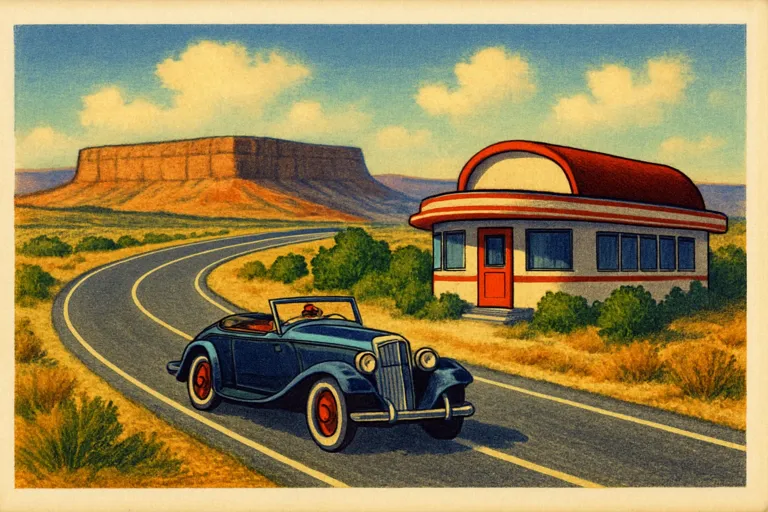
Some posts look closely at a single card from my own boxes. Others step back to explain a whole era of postcard history, such as why Americans mailed hundreds of millions of cards a year before the First World War, or how the linen cards of the 1930s and 40s recorded the rise of the American highway. A few are practical: how to spot a reproduction, how to start a collection without spending much, or how to use old postcards for family history.
How the posts are written
I want these posts to be useful and accurate. Dates, names and places are checked against reliable sources before they go in, and when something can't be confirmed, the post says so rather than guessing. When a post talks about one of my own cards, it sticks to what the card actually shows and says. If I don't know who sent a card or who received it, I say that plainly, because an honest "unknown" is better than an invented story.
A new post goes up every week. If there's a subject you'd like to see covered, a town, a publisher, a kind of card, or a question you've always had about old postcards, it may well turn up here.
Where to start
If you're new to old postcards, three posts make a good introduction: the story of the postcard craze, the history of the penny postcard, and the guide to starting a collection on a budget. For the practical side of collecting, my collector's notes cover dating cards, reading postmarks, identifying real photo postcards and storing a collection safely.
Posts by topic
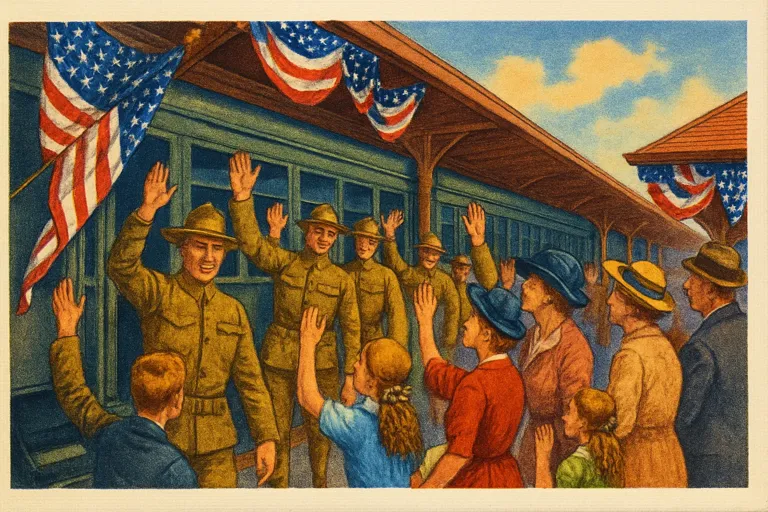
Postcard history. How a small piece of card became one of the most popular ways Americans kept in touch. Start with why Americans mailed billions of postcards during the craze before the First World War, then read how the penny postcard rate shaped what people wrote, and how the First World War changed American postcards when German printing was cut off and white borders took over.
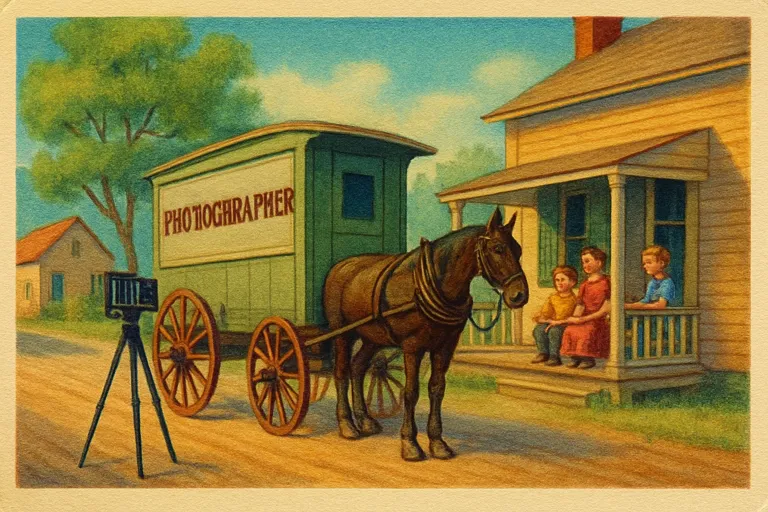
Photographers and publishers. The people who made the cards. Traveling real photo photographers went from town to town with cameras and sold their views in local shops, while big printers like Curt Teich filled the highways with linen postcards of the motor age.
Holidays. Some of the most beautiful cards ever printed were greetings. Early Christmas postcards looks at the Santas, embossing and publishers of the 1900s and 1910s, and my guide to vintage Halloween postcards covers the most sought-after holiday of all.
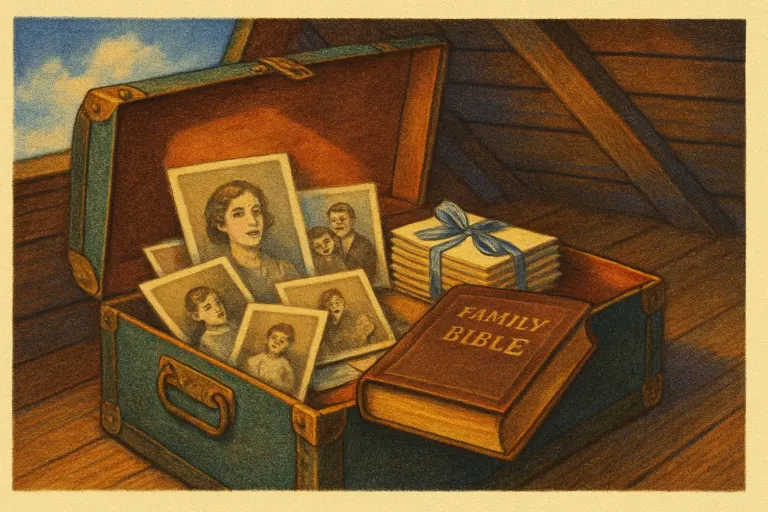
Collecting. Practical advice for buyers and beginners: how to spot a reproduction postcard, starting a postcard collection on a budget, and using postcards for family history, from names and postmarks to census records.
What you won't find here
This isn't a blog about selling. There are no "rare find" announcements, no price predictions and no investment advice, because old postcards are a pleasure to collect and study, not a market to time. You also won't find stories invented to make a card sound more interesting than it is. When a fact can't be confirmed, it's left out or clearly marked as uncertain.
What you will find is the history that sits behind ordinary cards: who printed them, how they were made, how they traveled through the mail, and what they can still tell us about the places and people they show. If a post helps you date a card in your own drawer, read a faded postmark, or spot a modern copy before you buy it, it has done its job.
Suggest a subject
If there's a part of postcard history you'd like to read about, a publisher, a printing method, a holiday, a kind of novelty card, or a research question, it may well become a future post. The best subjects are the ones that help many collectors at once, so broad questions are especially welcome.
New posts every week
A new post goes up each week, and the newest always appears at the top of this page. The RSS feed lets you follow along in a feed reader, and the collector's notes hold the longer reference guides that the posts often point back to: dating cards, reading postmarks, identifying real photos, storing a collection, and judging what makes a card valuable.